Master Your Money Flow
Real budgeting skills that work in the actual world. Not theories from textbooks — practical methods developed from working with hundreds of Australian businesses over the past decade.
Explore Programs
Two Approaches, One Goal
Most courses teach you budgeting or teach you cash flow. We think that's a bit like teaching someone to ride a bike but never mentioning balance. You need both working together.
The Planning Side
Your budget is your roadmap. It shows where money should go based on your priorities and goals. Without it, you're driving blind.
We help you build budgets that actually match reality — not perfect spreadsheets that fall apart by week two. You'll learn to account for irregular expenses, seasonal variations, and those annoying surprises that always seem to happen.
Most importantly, you'll understand when to stick to your plan and when flexibility makes more sense. Because rigid budgets break just as easily as having no plan at all.
The Flow Side
Cash flow is what actually happens. It's the difference between having money when you need it versus scrambling to pay bills while waiting for payments to arrive.
Timing matters more than most people realize. A profitable business can still fail if cash runs out at the wrong moment. An individual with decent income can end up in debt from poor timing.
We teach you to see patterns, anticipate gaps, and build buffers that work. Not complicated systems that require constant monitoring — practical approaches you can maintain long-term.
How Learning Actually Works Here
Three phases that build on each other. No rushing through concepts before they click. No moving forward until fundamentals are solid.
Foundation Building
You start by understanding your current situation — where money comes from, where it goes, and what patterns already exist. We analyze real numbers, not hypotheticals. This phase typically takes four to six weeks because rushing it means everything else sits on shaky ground.
System Development
Once you understand current reality, we build systems that work for your specific situation. Not generic templates — customized approaches that fit your income patterns, expense cycles, and financial goals. This takes another six to eight weeks because good systems need testing and refinement.
Ongoing Management
The final phase focuses on maintenance and adaptation. Financial situations change. Life happens. We teach you how to adjust systems without starting over, how to handle unexpected situations, and how to improve gradually over time. This continues as long as you need it.
What You Actually Learn

Practical Skills That Transfer
Every concept we teach connects to real applications. You practice with actual scenarios, make decisions with consequences, and learn from what works and what doesn't.
By the end of the program, you'll be able to create realistic budgets, predict cash flow problems before they happen, and adjust plans based on changing circumstances. These aren't theoretical abilities — they're tested skills.
Budget Creation
Build comprehensive budgets that account for fixed costs, variable expenses, and irregular payments. Learn to estimate accurately and adjust for seasonal patterns.
Flow Analysis
Identify cash flow patterns, spot potential problems months in advance, and create buffers that protect against timing gaps without tying up excessive capital.
Scenario Planning
Develop contingency plans for different situations. Learn what to do when income drops, expenses spike, or unexpected opportunities appear. Practice decision-making under pressure.
Real Experience From Real People
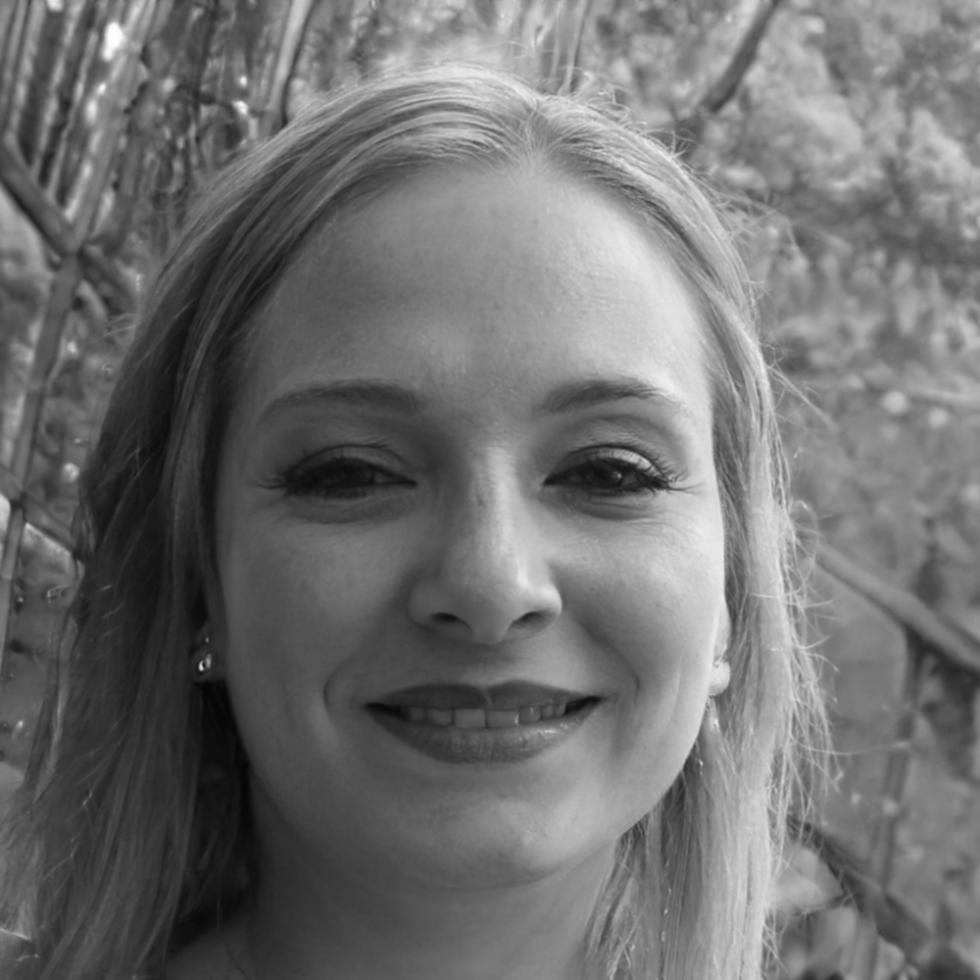
We asked someone who completed the program last year to share her honest thoughts.
"I thought budgeting meant tracking every coffee purchase. Turns out that's not the point at all. The program taught me to focus on patterns and timing rather than obsessing over small details. Within three months, I had better control over my finances than I'd had in years — and I was spending less time worrying about money."

The Learning Journey
What happens month by month as you progress through the program.
Months 1-2
Assessment Phase
You gather data, analyze current patterns, and identify specific areas needing attention. This phase involves honest evaluation of strengths and weaknesses. We look at everything — income sources, spending patterns, debt obligations, savings habits. The goal is complete understanding of where you are right now.
Months 3-4
System Building
With clear understanding of current reality, we design custom systems that address your specific situation. This includes budget frameworks, cash flow tracking methods, and decision-making processes. Everything gets tested in real scenarios before full implementation.
Months 5-6
Refinement Period
Initial systems rarely work perfectly. This phase focuses on identifying problems, making adjustments, and improving processes. You learn what works for you personally and what needs modification. By the end, you have reliable systems that fit your life.
Month 7 Onward
Independent Management
You continue applying what you've learned with ongoing support available when needed. Most people find they need occasional guidance for unusual situations or major changes, but daily management becomes routine. The skills transfer to new situations naturally.
Ready to Start Building Real Skills?
Programs are starting regularly. Most people begin within a few weeks of initial inquiry. Take a look at what's available and see if the approach fits what you're looking for.